EU funds for electric vehicles: Germany's example and lessons for Romania
Germany has recently received approval from the European Commission for a tranche of 4.6 billion euro under its National Recovery and Resilience Plan (PNRR), dedicated to promoting vehicles…
Todos & Company editorial team · EU funding consultancy since 2006
Funding and support strategies for the transition to electric mobility in the EU
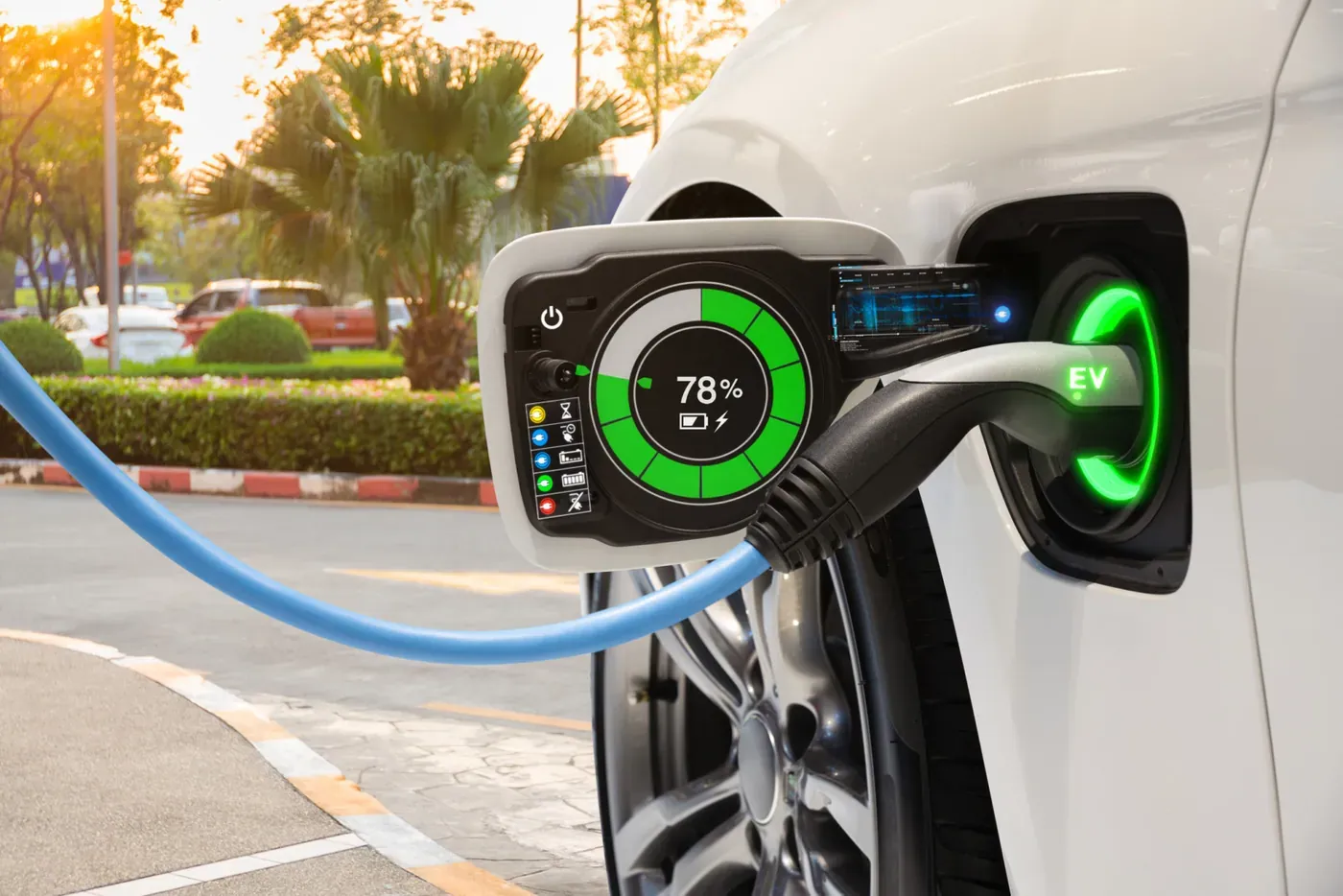
Germany has recently received approval from the European Commission for a tranche of 4.6 billion euro under its National Recovery and Resilience Plan (PNRR), dedicated to promoting electric vehicles and the related infrastructure. This sum is part of the "NextGenerationEU" programme, designed to support Member States in the green and digital transition after the pandemic. Germany intends to fund the purchase of almost 400,000 electric vehicles and the construction of more than 2,500 public charging stations, thereby strengthening sustainable mobility and reducing dependence on fossil fuels.
For Romanian entrepreneurs and decision-makers, this example raises important questions: how can Romania make the most of such funds, what are the specific features and access conditions, and what concrete steps must be taken to benefit effectively from European opportunities?
The electric vehicle market in Romania and Europe
The electric vehicle market in the European Union is growing rapidly, strongly supported by environmental legislation, carbon emission reduction targets and massive infrastructure investment. Countries such as Germany, France and the Netherlands are acting as pioneers, applying complex subsidy packages that discourage the use of vehicles running on conventional fuels.
In Romania, the number of electric vehicles has also started to grow, but access to funding and charging infrastructure remain inadequate. The Romanian government has launched incentive programmes over the past few years, but the gap compared with other European countries is still significant. EU funds, especially those under the PNRR, are proving to be an essential source for speeding up this process.
Who the eligible beneficiaries of EU support are
The German programme has a broad base of beneficiaries who can access subsidies for electric vehicles and charging infrastructure. These include:
- Commercial companies interested in renewing their vehicle fleets with 100% electric vehicles;
- Public institutions and administrations that wish to promote green mobility in urban and peri-urban areas;
- Transport and logistics service operators who can reduce emissions from freight and passenger transport;
- Individuals as indirect beneficiaries, through local programmes and partnerships.
In Romania, eligibility criteria may include, besides the nature of the entity, the size of its activity, its financial capacity and its commitment to sustainability. A careful analysis of the PNRR guides is essential, as well as of complementary national or regional schemes.
Practical steps for accessing funds and administrative aspects
Interested companies and institutions must prepare for a rigorous application process. Typical documentation includes:
- Detailed investment plans that highlight the environmental impact and ecological objectives;
- Evidence of the financial and administrative capacity to carry out the project;
- Estimates of eligible costs, including the prices of electric vehicles and infrastructure equipment;
- Monitoring and reporting components on the actual use of the funds.
It is advisable to work with consultants specialising in EU funding to avoid common mistakes and maximise the chances of approval. In addition, meeting deadlines and being transparent during implementation are essential, because PNRR funding is strictly monitored by the European institutions.
Impact on the automotive market and opportunities for entrepreneurs
Massive investment in electric vehicles and charging infrastructure has a multiplier effect. Besides reducing emissions and stimulating the green economy, it opens up new opportunities with technology suppliers, electricity network developers, and maintenance and logistics firms.
Romanian entrepreneurs can take advantage of this trend by developing integrated projects: installing and maintaining charging stations, adapting fleets to market requirements, and also by getting involved in innovation projects to make energy consumption more efficient. Early involvement makes it easier to access EU funding and to strengthen your position in a rapidly transforming market.
What Romanian companies need to prepare
Interested entrepreneurs should start by clearly identifying the company's specific needs: the size of the current fleet, the degree of technological adaptability and the resources available. A rigorous technical and financial assessment is recommended, in order to prepare solid applications for projects funded by the PNRR or other related European programmes.
The key documents will include the investment strategy, feasibility studies and business plans that justify the need for, and the benefits of, purchasing electric vehicles and infrastructure. In addition, companies must pay attention to application deadlines and eligibility criteria to avoid administrative rejections.
Working with specialised consultancy firms is advisable, both to detail the eligible activities and to optimise the financial structure of projects. Preparing a complete and transparent file also helps avoid the risks of a later audit, given the strict controls imposed by the European Commission.
Want to find out what non-refundable funding you can access?
The Todos Company team helps you with the whole process: from checking eligibility and calculating your score, to preparing the application file and submitting the project.