DR-21 AFIR: up to €50,000 for biosecurity on sheep and goat farms
AFIR has put the DR-21 guide out for consultation until 29 September 2026: up to €50,000 (90% support) for biosecurity on sheep and goat farms with at least 150 head. Proposed budget: €9 million.
Todos & Company editorial team · EU funding consultancy since 2006
 Programme sheet · Opening soon DR-21 AFIR — biosecurity on sheep and goat farms (preventing epizootics)
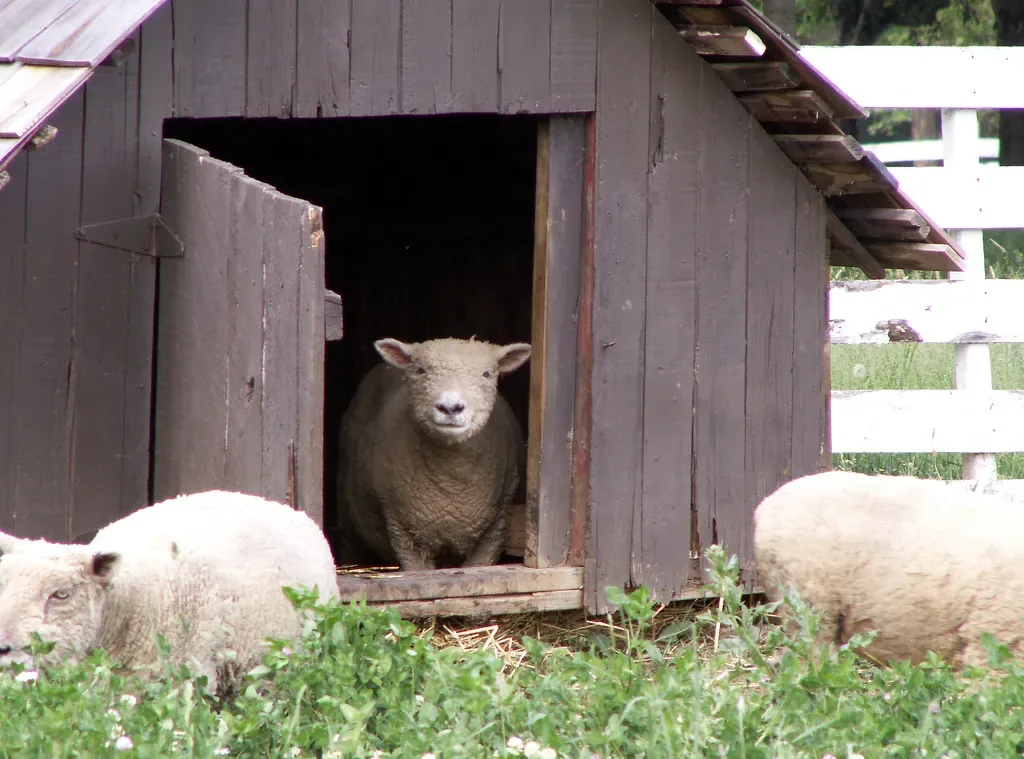
 On 18 September 2026 the Ministry of Agriculture and Rural Development, through AFIR, published the applicant's guide for intervention DR-21 "Investments to prevent the spread of epizootics on livestock holdings" for public consultation. Sheep and goat breeders with holdings registered under an ANSVSA code and flocks of at least 150 head could receive up to 50,000 euro, with non-refundable public support of up to 90% of eligible costs. Comments on the guide must be sent by 29 September 2026. The call window has not yet opened.
In brief
- Programme: CAP Strategic Plan 2023–2027, intervention DR-21
- Authority: MADR, through AFIR
- Beneficiaries: sheep and goat breeders with holdings registered under an ANSVSA code and flocks of at least 150 head
- Total budget: 9 million euro, the budget proposed for the upcoming call window
- Value per project / intensity: up to 50,000 euro per beneficiary, support of up to 90% of eligible costs
- Submission period: not yet announced; projects will be accepted until a ceiling of 300% of the available allocation is reached
- Status: guide in public consultation until 29 September 2026
Why is this funding appearing now?
According to AFIR, the new intervention responds to the needs of the sheep and goat farming sector, which has been hit by restrictions on live animal exports. Its aim is to strengthen biosecurity measures on farms. The funds are intended for investments that prevent the appearance and spread of peste des petits ruminants and sheep and goat pox.
The published guide is a consultation draft dated 17.09.2026 and must be approved by the Ministry of Agriculture. The conditions below may change in the final version.
Who can apply?
In the AFIR press release, eligible beneficiaries are farmers who own a livestock holding. The announcement published on oportunitati-ue.gov.ro states that the support is aimed at sheep and goat breeders with:
- a holding registered under an ANSVSA code;
- flocks of at least 150 head.
The selection criteria, the minimum score and any conditions on the economic size of the farm do not appear in the official sources consulted. They are to be set in the final guide.
Which costs are eligible?
AFIR states that the funding covers investments in:
- decontamination, disinfection and disinsection equipment;
- installations for sanitary-veterinary filters;
- protective fences and demarcation systems;
- systems for controlling access to the holding.
The full list of eligible and ineligible costs, as well as the ceilings per category, will be confirmed in the final guide.
How and by when do you apply?
No projects can be submitted at the moment. You can only take part in the public consultation, which runs for 10 calendar days from 18 September 2026 until 29 September 2026. Proposals and comments should be sent to consultare@afir.ro or through the "Adaugă o solicitare" (Add a request) form on AFIR's public debate page.
The date on which the call window will open has not yet been announced. What is known is that projects can be submitted until their total value reaches a ceiling of 300% of the available allocation. If demand is high, the call window may close before the official deadline.
What this means for your business
Our recommendation for sheep and goat breeders who meet the 150-head threshold is not to wait for the final guide before starting preparations:
- Check your holding's documents. The ANSVSA code, the flocks declared in the National Register of Holdings and the right of use over the land or buildings where the investment will be made must all be up to date and consistent with each other.
- Carry out a biosecurity assessment. Establish where people, vehicles and animals enter, and where the sanitary-veterinary filter, fence or access control is missing. That way you will know which investment to apply for.
- Request price quotes early. At 50,000 euro per beneficiary, a well-sized project with a fence, a filter and disinfection equipment can reach the ceiling. Comparable quotes greatly shorten the preparation time.
- Plan your own contribution. The support is up to 90%, so the remaining 10% or more, and the ineligible costs, including VAT if the final guide does not accept it, must be covered from your own resources.
- Be ready from the moment the call window opens. With a proposed budget of 9 million euro, at most around 180 projects could be funded at the maximum value. And the 300% ceiling means the call window may close quickly.
A common pitfall with biosecurity investments is a weak link between the investment requested and the farm's real sanitary risk. It is worth consulting the private veterinary practitioner who looks after your holding. If you are not sure whether your farm qualifies, you can start with the eligibility check.
One more suggestion from us: if you notice conditions in the consultation guide that are hard to meet, for example the flock threshold or the documents required, send in your comments by 29 September. The consultation is the only moment when farmers can officially influence the final form of the guide.
Frequently asked questions
Can projects already be submitted under DR-21?
No. The DR-21 applicant's guide is in public consultation until 29 September 2026. The date of the call window has not yet been announced and will be communicated by AFIR after the final guide is approved.
How much can a farm receive under DR-21?
According to the consultation draft, the maximum support is 50,000 euro per beneficiary. The intensity of the non-refundable public support is up to 90% of eligible costs, so the remaining 10% or more is covered from your own resources.
Can cattle or pig farmers apply too?
The AFIR press release speaks generally about farmers who own livestock holdings. However, the official announcement on oportunitati-ue.gov.ro states that the support is aimed at sheep and goat farmers, to prevent peste des petits ruminants and sheep and goat pox. The eligible species will be confirmed in the final guide.
What is the budget of intervention DR-21?
The budget proposed for the upcoming call window is 9 million euro. Projects can be submitted up to a ceiling of 300% of the available allocation.
Where do I send comments on the guide?
To consultare@afir.ro or through the "Adaugă o solicitare" (Add a request) form on AFIR's public debate page, by 29 September 2026.
Official sources
- AFIR – Public consultation on funding for DR-21 investments
- AFIR – Public debate: DR-21 consultation applicant's guide (17.09.2026)
- EU funding opportunities – MADR, through AFIR, publishes the DR-21 guide for consultation
Information checked on 26 September 2026. Conditions may be amended by the managing authority — check the guide in force before submitting.