SME ECO-TECH: A major opportunity for manufacturing SMEs to enter the digital and green era
Romania's manufacturing industry plays an essential role in the national economy, accounting for a substantial share of industrial output and exports.
Todos & Company editorial team · EU funding consultancy since 2006
The context of the green and digital transformation in the manufacturing industry
Romania's manufacturing industry plays an essential role in the national economy, accounting for a substantial share of industrial output and exports. However, the industry faces major challenges in modernising its processes, reducing its carbon footprint and integrating digital technologies. In a global environment marked by strict sustainability regulations and growing competitiveness, SMEs in this sector must adapt quickly so as not to fall behind.
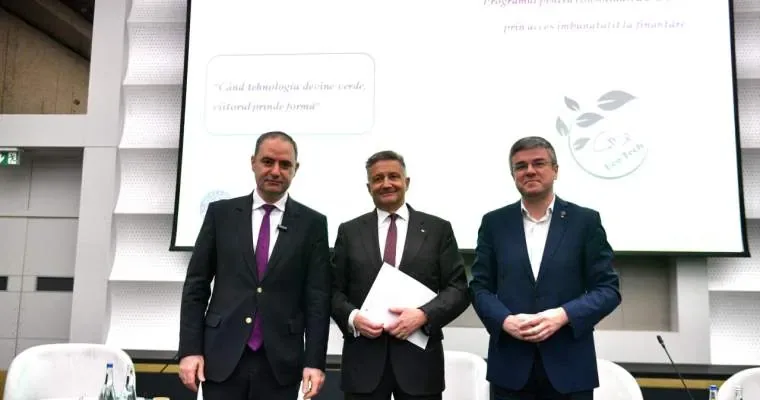
It is in this context that the Ministry of Economy, Digitalisation, Entrepreneurship and Tourism (MEDAT) is launching the SME ECO-TECH programme, a mechanism that supports the green transition and the digitalisation of small and medium-sized businesses simultaneously. The programme is aligned with both the European Green Deal strategy and the national plan for sustainable economic development.
Who are the eligible beneficiaries and what objectives must they pursue?
The main target group is SMEs in the manufacturing sector. The programme is aimed in particular at companies that want to implement eco-technology solutions, such as low-energy equipment, smart production technologies, digitalisation of operational processes, or advanced systems for monitoring and controlling natural resources.
Beneficiaries must be economically active, have a stable financial situation and demonstrate a clear plan showing how the investments made under the programme will help reduce energy consumption, cut polluting emissions or increase operational efficiency through digitalisation.
Important aspects concerning documentation and the application process
To access funding through SME ECO-TECH, companies will need to prepare a series of essential documents. These include:
- An updated business plan, including clear digital and ecological transformation objectives;
- Technical documentation for the equipment or solutions proposed for funding;
- Financial documents proving the company's ability to sustain the project over the medium and long term;
- Relevant notices and permits in the field, especially for the implementation of new technologies;
- A detailed project implementation timetable.
MEDAT will pay particular attention to the clarity and feasibility of projects, as well as to how they contribute to the programme's overall objectives and the expected results in terms of sustainability and digitalisation.
The impact of the SME ECO-TECH programme on the business environment
In Romania, SMEs account for over 95% of all companies and are a vital driver of innovation, employment and economic growth. However, in the manufacturing industry, this segment has shown a variable degree of digitalisation and adoption of green technologies, and is frequently dominated by outdated equipment and processes. The MEDAT initiative helps overcome these limitations and build a more competitive and environmentally responsible industrial ecosystem.
Through SME ECO-TECH, SMEs can reduce energy costs, improve product quality and diversify their range of digital services. This can make it easier to enter foreign markets, where sustainability requirements are becoming ever more stringent.
Preparing SMEs: what entrepreneurs should keep in mind
Entrepreneurs in the manufacturing industry should approach this programme with a well-defined strategy so as to maximise the benefits. First, they should carry out an internal audit of current equipment, consumption and production processes to clearly identify the areas where eco-technology and digital interventions will bring real added value.
You are advised to consult EU funding specialists to understand the technical and administrative details of the call and to prepare the documentation so that it meets all eligibility criteria. You should also pay attention to budget planning, including co-financing, and be prepared for possible checks and post-implementation monitoring.
Companies should keep track of the funding call window deadlines, be transparent and draw on their experience to propose projects that are realistic yet innovative. Ultimately, successful implementation of the SME ECO-TECH programme can turn companies into important players in a sustainable, digitalised manufacturing industry, able to meet the demands of the European and global markets.
Want to find out what non-refundable funding you can access?
The Todos Company team helps you with the whole process: from checking eligibility and calculating your score, to preparing the application file and submitting the project.