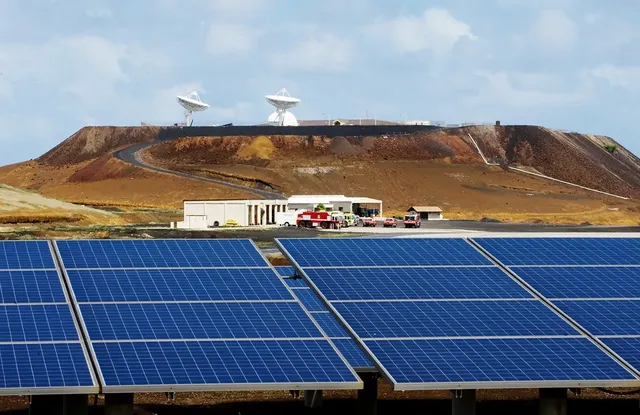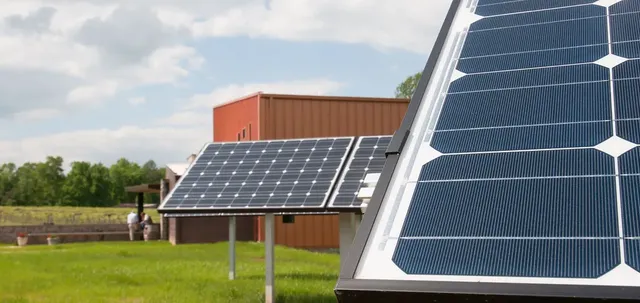
Funding of up to 100% for solar energy investments in agriculture and the food industry
The financial support is intended for businesses active in agriculture and the food industry, from small and medium-sized farms to processors and processing units for products…
Todos & Company editorial team · EU funding consultancy since 2006
The funding programme dedicated to solar energy in agriculture and industry
Who can access these funds and which types of investment are eligible
The financial support is intended for businesses active in agriculture and the food industry, from small and medium-sized farms to processors and agricultural product processing units. Priority is given to projects involving the installation of photovoltaic panels for self-consumption, to reduce energy costs and increase independence from conventional electricity grids.
Eligible beneficiaries must carry out eligible activities under the CAEN codes specific to agriculture and the food industry. Investments may include installing photovoltaic systems on buildings, agricultural structures or other types of agricultural infrastructure, provided that the energy produced is intended for own consumption; selling energy to the grid is not permitted.
Which documents and conditions applicants must meet
Applicants must prepare thorough documentation that includes:
- The technical design of the photovoltaic installation and proof of its performance;
- Legal documents certifying the status of an enterprise in agriculture or the food industry;
- Feasibility studies justifying the need for the investment and its impact on production costs;
- An up-to-date business plan, including estimates of savings on the energy bill and the potential for increased competitiveness.
In addition, it is important to comply with all environmental requirements and technical standards set out in the applicant's guide. Furthermore, companies must ensure the long-term sustainability of the project, including the maintenance of the installed equipment.
Why investing in solar energy makes sense for companies in the agri-food sector
Electricity prices have been rising in recent years, and many farmers and processors are facing drastic increases in operating costs. Solar energy for self-consumption significantly reduces this vulnerability, creating a stable and predictable source of energy over the long term.
Besides the economic advantage, investments in renewable sources help companies align with EU objectives on reducing carbon emissions, an increasingly important consideration on the EU market. Farmers who opt for such technologies can become more competitive, access new markets and benefit from a positive impact on their image.
Practical steps for entrepreneurs interested in funding
Companies interested in accessing these funds should start with an internal assessment of their energy consumption and of the potential for installing a photovoltaic plant for self-consumption. Working with consultants specialising in renewable energy is recommended in order to prepare the high-quality documentation required in the application process.
It is also essential to follow the official calendar for submitting applications and to prepare your requests in good time to avoid bureaucratic problems. Companies must check the project's eligibility point by point against the requirements of the Ministry of Agriculture and make sure that all documents are in order, including those certifying experience in the field and legal status.
In conclusion, this fund represents a major opportunity to modernise the agricultural and food sector by reducing energy costs and adopting sustainable practices. Accessing a good share of the 265 million euro requires thorough preparation and a clear understanding of the eligibility criteria, but the results can fundamentally transform the way companies that take on this process operate.
Want to find out what non-refundable funding you can access?
The Todos Company team helps you with the whole process: from checking eligibility and calculating your score, to preparing the application file and submitting the project.