EU funds 2026: Funding of up to 20 million EUR for solar panels in the food sector
The Agency for the Financing of Rural Investments (AFIR), a body subordinate to the Ministry of Agriculture, has launched a funding proposal dedicated to farmers and entrepreneurs in the…
Todos & Company editorial team · EU funding consultancy since 2006
The new AFIR funding call window for farms and agri-food companies
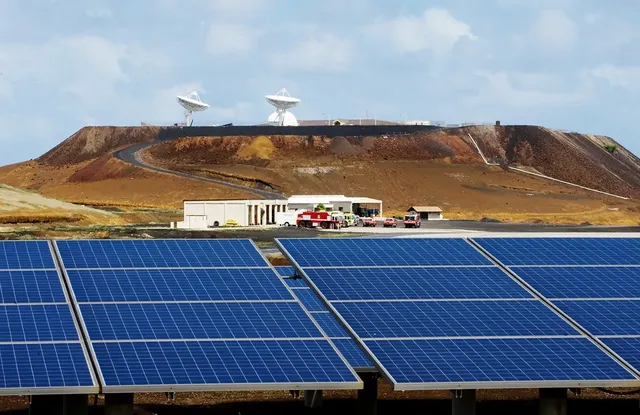
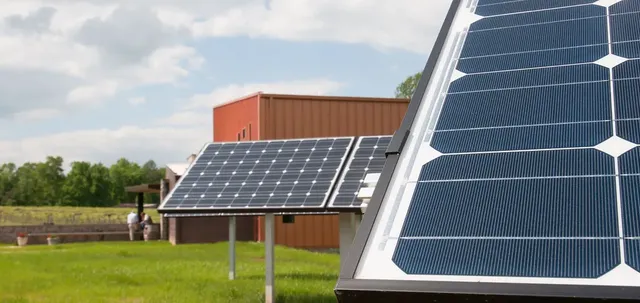
The Agency for the Financing of Rural Investments (AFIR), a body subordinate to the Ministry of Agriculture, has launched a funding proposal dedicated to farmers and entrepreneurs in the food sector, offering significant opportunities to modernise businesses through green technologies. The programme provides an allocation of up to 20 million euro for each beneficiary, aimed at installing photovoltaic solar panels, with the possibility of integrating energy storage systems (batteries), for own consumption. This initiative is in line with the European trend towards energy transition and support for the green economy, a crucial segment given the current rise in energy costs and the need to reduce emissions.
Who can access the funding and what the impact is on the food sector
Eligible beneficiaries include farmers, micro-enterprises, small and medium-sized enterprises (SMEs) and other entities active in the agri-food sector. The programme targets companies that need integrated solutions for producing and consuming energy from renewable sources directly on agricultural holdings, thereby enabling energy independence, lower operating costs and greater competitiveness on the market.
The potential impact on the market is substantial: investments in renewable sources contribute to operational stability and environmental sustainability, factors that are increasingly important to consumers and business partners. In addition, installing photovoltaic systems allows better predictability when budgeting energy costs, a critical aspect given the fluctuations in electricity and gas prices.
General conditions and essential bureaucratic steps
From experience, preparing a competitive application for EU funds involves several essential steps. Beneficiaries must have a well-argued business plan and demonstrate the technical and financial capacity to carry out the investment. In addition, the documentation will include the necessary technical approvals, technical designs for installing the panels and the storage system, energy impact studies and, where applicable, certifications confirming compliance with environmental criteria.
AFIR will require proof of ownership or concession rights for land and premises, recent financial statements and, depending on the nature of the project, other relevant certificates. Preparing these correctly is vital to speed up the evaluation of the application and to minimise the risk of rejection.
Strategies and recommendations for applicants
Taking part in the funding call window requires careful planning. Businesses can assess the opportunities for integrating solar panels with batteries in order to optimise their own consumption, as well as to reduce their dependence on the energy grid and their environmental impact. Specialised technical consultancy can help size the installed systems correctly, so that they match actual consumption and ensure maximum efficiency.
Applicants are advised to consult the applicant's guide available on the AFIR website well in advance and to make sure they meet the eligibility criteria, as well as to begin preparing the necessary documents. Monitoring deadlines and regularly checking official announcements will also help prevent procedural errors. Companies that genuinely want to take advantage of this opportunity must plan the investment in line with their other strategic and budgetary objectives for 2026.
How to make a smart investment of up to 20 million euro
Such a substantial funding ceiling opens up wide-ranging possibilities, from modest systems to complex photovoltaic installations integrated with advanced storage and automation solutions. Experienced investors will be able to optimise farms and food processing units, sharply reducing external energy consumption and increasing control over costs.
In addition, this investment can bring the indirect benefits of a strong sustainable brand, helping entrepreneurs expand into both domestic and foreign markets, where demand for organic products and low-impact processing methods is steadily growing. Greater competitiveness through green technology will become an essential differentiator for companies in the Romanian food sector.
Want to find out what non-refundable funding you can access?
The Todos Company team helps you with the whole process: from checking eligibility and calculating your score, to preparing the application file and submitting the project.