ETS indirect costs: batteries, glass and organic chemicals become eligible, 80% intensity
On 23 December 2025, the European Commission extended the ETS state aid guidelines to 20 new sectors, including batteries, glass and organic chemicals. The intensity rises from 75% to 80% for sectors that are already eligible.
Todos & Company editorial team · EU funding consultancy since 2006
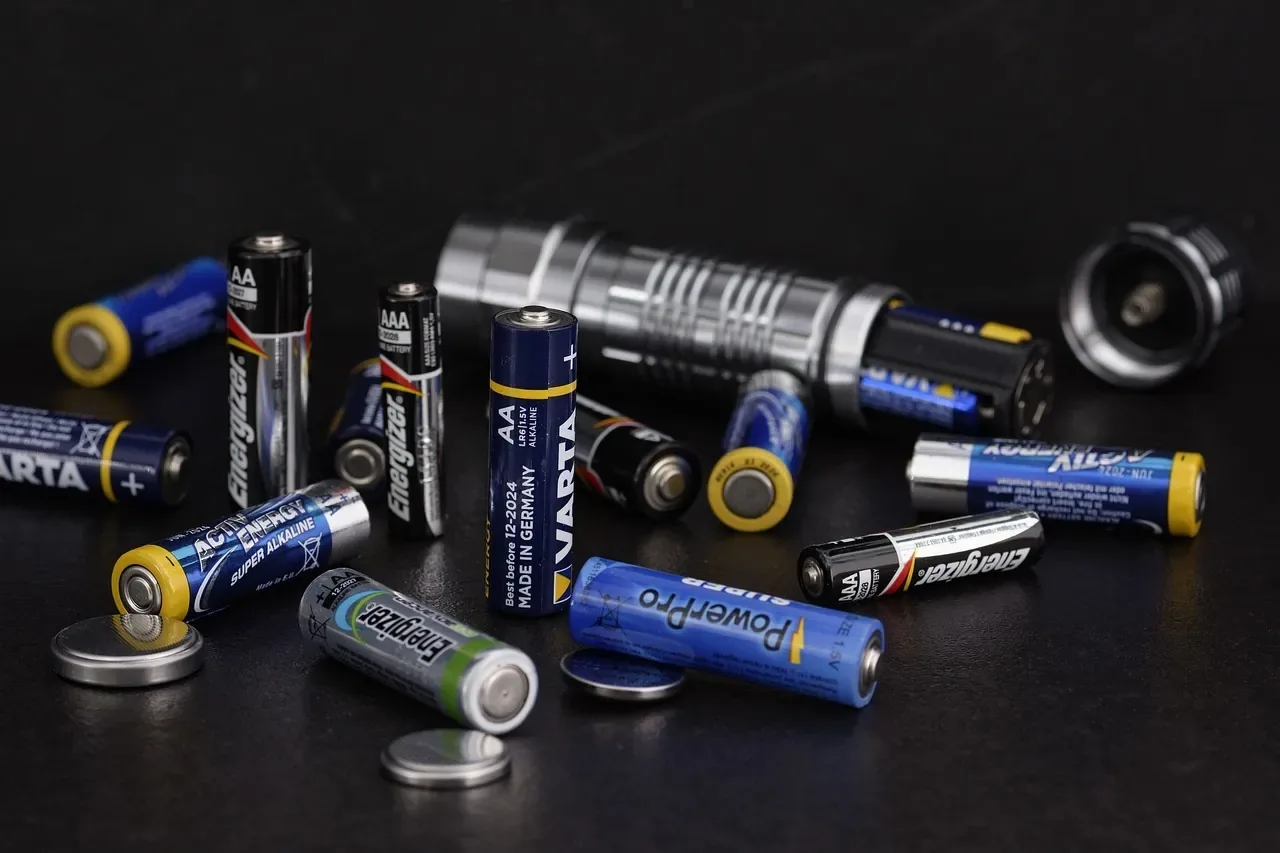
On 23 December 2025, the European Commission amended the state aid guidelines in the context of the ETS. 20 new sectors and two subsectors have been added to the list of sectors that can be compensated, including the production of organic chemicals and certain activities in ceramics, glass and batteries. For sectors that were already eligible, the maximum aid intensity rises from 75% to 80%. This is not a grant from the sale of CO2 allowances, but a partial compensation of the indirect costs included in the price of electricity.
In brief
- Programme: the ETS state aid guidelines (compensation of indirect emission costs), amended on 23 December 2025
- Authority: the European Commission; aid is granted through Member States' schemes
- Beneficiaries: companies in sectors exposed to the risk of production relocation (carbon leakage), including, newly, producers of organic chemicals and some activities in ceramics, glass and batteries
- Intensity: 80% for previously eligible sectors (up from 75%)
- Period: the guidelines apply until 2030; the CO2 emission factors have been updated for 2026–2030
- Status: the EU rules have been amended; we have not found an official announcement on the adaptation of the Romanian scheme
What exactly is this scheme?
Under the ETS, electricity producers pay for emission allowances, and the cost is reflected in the price of energy. Industries exposed to international competition therefore bear an indirect cost. The guidelines allow Member States to compensate part of it, so that companies do not move their production to areas with laxer environmental rules. The aid does not come from the company selling allowances, as the first version of this article suggested.
What changed in December 2025?
The Commission justified the amendment by the rise in emission costs since the guidelines were adopted in 2020. The main changes:
- 20 new sectors and two subsectors are eligible, including organic chemicals and certain activities in ceramics, glass and batteries;
- the aid intensity for previously eligible sectors rises to 80%;
- Member States may also notify the Commission of unlisted sectors, if they demonstrate a genuine risk of carbon leakage;
- large beneficiaries must contribute to the green transition, including by investing part of the aid in projects that reduce the costs of the electricity system;
- the CO2 emission factors and geographical zones are updated for 2026–2030, with a gradual transition mechanism where the factors fall sharply compared with 2021–2025.
What applies in Romania?
In September 2022 the Commission approved a Romanian scheme of €1.5 billion for 2021–2030 (SA.102431), with the last payment in 2031. The beneficiaries are companies in the sectors listed in Annex I of the ETS guidelines, and the aid was capped at 75% of the indirect costs incurred, calculated on the basis of electricity consumption efficiency benchmarks. Within a three-year period, beneficiaries had to meet one of three obligations: implementing the recommendations of an energy audit, sourcing at least 30% of their electricity from carbon-free sources, or investing at least 50% of the aid in projects to reduce greenhouse gas emissions.
We have not found an official act or announcement showing that the scheme has been amended to include the new sectors or the 80% intensity. Until then, a company in batteries, glass or organic chemicals cannot treat the aid as granted. The specific conditions, deadlines and forms will depend on the national act.
What this means for your business
Recommendation: if you produce batteries, glass, ceramics or organic chemicals, check your CAEN code now and whether your activity falls within the Commission's new list. Gather your electricity invoices and consumption data per product, because the aid is calculated from actual costs.
- Follow the Ministry of Economy and the Ministry of Energy for the amendment of the national scheme.
- Prepare evidence for the green transition obligations: an energy audit, carbon-free energy contracts or an investment plan for reducing emissions.
- Do not plan investments based on an estimated amount until the national act is published.
Check your eligibility for other funding with the eligibility check.
Frequently asked questions
Can I receive money if I produce batteries in Romania?
At European level, the batteries sector can be compensated, but the money is granted through the national scheme. We have not found an official announcement that Romania has adapted the scheme approved in 2022 to the new sectors.
Is this a grant for investments?
No. It is a partial compensation of the indirect emission costs included in the price of electricity, calculated in relation to the costs incurred.
How much does the aid cover?
For previously eligible sectors, the guidelines now allow 80% of the indirect costs. The scheme approved for Romania in 2022 provides for a maximum of 75%, and the new value has not been officially applied in the national scheme.
Do I have to make investments to receive the aid?
Large beneficiaries must contribute to the green transition, including by investing part of the aid in projects that reduce the costs of the electricity system. The exact conditions for Romania will be set nationally.
Can other sectors be included too?
Yes. Member States may notify the Commission of unlisted sectors that demonstrate a genuine risk of carbon leakage, for individual assessment.
Official sources
- European Commission, press release IP/25/3141 – amendment of the ETS state aid guidelines
- European Commission, press release IP/22/4927 – the Romanian €1.5 billion scheme for ETS indirect costs
Information checked on 2 November 2026. The conditions may be amended by the managing authority — check the guide in force before submitting.