RO e-Factura for copyright income: preparations and challenges ahead of 1 June
From 1 June 2024, everyone who receives copyright income will have to issue invoices exclusively in electronic format through the RO e-Factura platform, administered…
Todos & Company editorial team · EU funding consultancy since 2006
The obligation to issue electronic invoices for copyright income
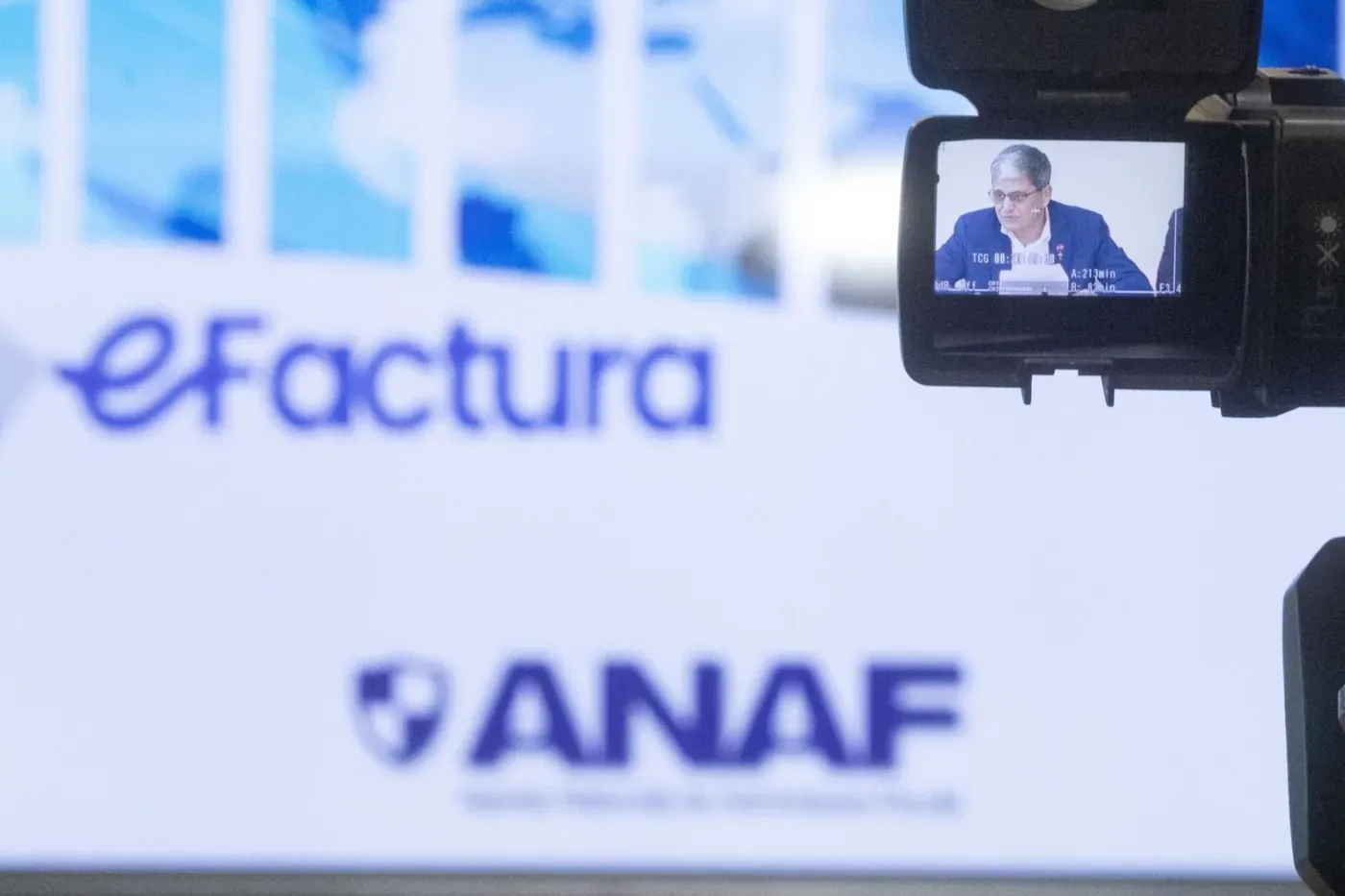
From 1 June 2024, everyone who receives copyright income will have to issue invoices exclusively in electronic format through the RO e-Factura platform, administered by ANAF. This measure is part of a broader drive to digitalise the relationship between taxpayers and the tax authorities, intended to improve the transparency and tax control of transactions. However, serious risks have been flagged regarding the functioning of the ANAF system, given that tens of thousands of people will access the platform at the same time to register and submit digital invoices.
Context and legislative motivations
The introduction of mandatory electronic invoicing for copyright comes at a time when the state aims to combat tax evasion and reduce the time spent checking accounting documents for income from independent activities or intellectual property. By issuing invoices in electronic format, ANAF can automate checks and easily integrate the data into a centralised system. However, the procedure also brings a number of challenges, mainly because of current legislative ambiguities regarding how this income is calculated and declared in the context of copyright.
Who is affected and what documents are required
Those affected include visual artists, writers, musicians, programmers, translators and other categories who earn income from the assignment of copyright, under either individual or collective contracts. Those who deal with public entities, companies or institutions that require a fiscally recorded document for the payment of copyright fees must also issue the electronic invoice through the RO e-Factura system.
To be able to use the RO e-Factura platform, authorised persons must hold a qualified electronic signature or use a digital certificate accepted by ANAF. They must also have to hand all the details of the rights assignment contract: the tax identification code, the chosen form of taxation, the percentage applied for withholding at source, as well as clear details about the supplier and the beneficiary, in order to avoid errors that can cause blockages in the system.
Operational challenges and risks
People in the market warn that the ANAF system may not cope with the massive load expected from the 1 June deadline, and that the interface and workflows may cause confusion. The legislation in force contains areas that require further interpretation as to what exactly must be invoiced, what level must be applied for tax withholding and how complex copyright contracts are classified. Failures or blockages in the system will put both taxpayers and paying entities in difficult situations from a tax and administrative point of view.
In addition, for many professionals, the novelty of the process may delay payment of the fees due to them and may lead to errors in tax reporting which, in later inspections, could result in sanctions or penalties.
What entrepreneurs and professionals should prepare
Companies or authorised individuals who issue invoices for copyright should check their digital certificate or electronic signature carefully, familiarise themselves with the RO e-Factura interface in good time, and consult their accountant to verify that all contract information is correct and up to date. It is useful to run a few tests on the platform before the deadline, to avoid the critical moments when requests may become congested.
I also recommend closely monitoring the updates issued by ANAF and consulting tax specialists to clarify areas of unclear interpretation, especially those concerning the percentage applicable to income tax and how the validity of the copyright must be proven.
Entrepreneurs and professionals should also anticipate possible technical problems or communication issues with the authorities, keep their contract documentation in order so that they can respond promptly to any additional requests from ANAF, and allow extra time for invoicing in the period immediately following.
In this context, adapting quickly to the new conditions is not only a legal obligation but also an opportunity for professionals to increase transparency and predictability in collecting their income, reducing tax risks in the long term.
Want to find out what non-refundable funding you can access?
The Todos Company team helps you with the whole process: from checking eligibility and calculating your score, to preparing the application file and submitting the project.